Large Estates Split Rail Fence:All-Weather Durability
Release time:2025-12-28 Click:32
A split rail fence on large estates embodies rustic elegance and all-weather durability, creating a boundary that feels rooted in the landscape. Traditionally made from cedar or pine logs split lengthwise, modern versions enhance this classic look with weather-resistant treatments. Pressure-treated wood, composite logs (recycled plastic + wood fibers), or vinyl-coated timber resist rot, termites, and UV fading, ensuring the fence lasts 30+ years even in rain, snow, and intense sun.
The “split rail” design balances aesthetics and function. Logs are cut into 3–4 rails (8–10 feet long), stacked horizontally in zigzag or parallel patterns. Gaps between rails allow wildlife to pass (supporting biodiversity) while defining property lines. For large estates, the fence’s low height (3–4 feet) preserves scenic views, and its natural wood tone blends with forests, meadows, and rolling hills. Optional features like decorative post caps (in copper or stone) or gate arches add a touch of grandeur.
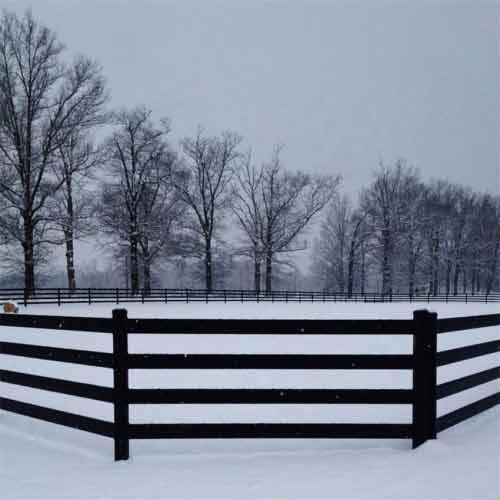
All-weather performance is critical for estate maintenance. In wet climates, the wood’s natural oils or composite materials prevent waterlogging; in dry areas, UV inhibitors stop cracking. Frost-heave resistance is achieved with deep-set posts (3–4 feet in concrete), and pest-resistant treatments deter termites and carpenter ants. For snowy regions, the fence’s open design lets snow drift through, avoiding structural damage.
For estate owners, this fence is more than a boundary—it’s a statement of timeless style. It requires minimal upkeep (annual inspection for loose rails) and ages gracefully, developing a silvery patina that enhances its charm. By marrying rustic tradition with modern durability, it ensures the estate’s landscape remains as captivating as the day it was built.
Previous article:Modern Split Rail Design - Updated Take on Traditional Style
Next article:Split Rail Fence Panels – Classic Rustic Charm for Livestock Enclosures
Hot products
Mobile: +86 13292822131
Email:metalproducts2023@163.com
Email:634049339@qq.com