Adding Rustic Definition with a Split Rail Fence Garden
Release time:2026-02-10 Click:16
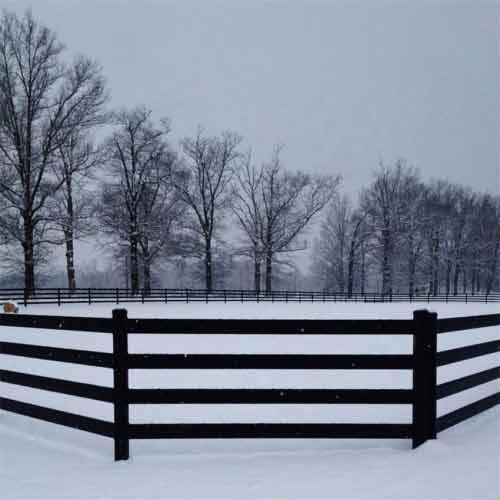
The split rail fence is an enduring icon of rural America, evoking a sense of simplicity, history, and connection to the land. Integrating a split rail fence garden brings this rustic charm into a cultivated landscape, providing structure and definition without creating a solid barrier. Its open, linear design beautifully frames planting beds, vegetable gardens, or orchard areas, marking territory in a gentle, unobtrusive way that feels both orderly and naturally integrated with the environment.
The defining characteristic of a split rail fence is its construction: rough-hewn wooden rails, typically cedar or locust, are slotted into holes drilled into sturdy upright posts. The classic "post and rail" design usually features two or three horizontal rails running between posts. This simplicity is its strength, creating a visual rhythm that guides the eye along the garden's edge. The openness allows for full visibility and easy access, while clearly communicating a boundary to people and pets.
In a garden setting, a split rail fence serves multiple practical purposes. It provides a supportive framework for climbing plants like peas, beans, or flowering vines. It can help keep larger wildlife, such as deer, from wandering directly into beds (though it is not a complete deterrent). Most importantly, it psychologically organizes the space, separating the lawn from the cultivated earth, the flower garden from the utility area, or the formal plantings from the wilder meadow beyond.
Material choice impacts both aesthetics and longevity. Naturally rot-resistant woods like Eastern Red Cedar or Black Locust are traditional favorites, aging to a beautiful silvery-gray and lasting for decades without chemical treatment. Pressure-treated pine is a more affordable option that will last but lacks the natural look. For a maintenance-free alternative, vinyl replicas of split rail fencing are available, though they may lack the authentic texture and character of real wood.
Installation is relatively straightforward, making it a popular DIY garden project. The key steps involve setting the posts at consistent intervals and then slotting the precut rails into place. The fence can follow straight lines or gentle curves to complement the garden's layout. Its low height (usually around 3-4 feet) means it doesn't require deep concrete footings in most cases, often being set directly into the soil or gravel for a more informal look.
A split rail fence garden is ultimately about accent, not exclusion. It doesn't offer privacy or complete security, but it delivers something equally valuable: a sense of place, history, and rustic beauty. It turns a garden into a defined, intentional space that feels cared for and connected to an pastoral tradition. By choosing this style, gardeners add a layer of timeless character to their landscape, creating a boundary that invites the eye in rather than shutting the world out.
Previous article:Designing Rustic Boundaries with a Split Rail Fence Corner
Next article:Structural Support: The Role of a Metal Pole Fence
Hot products
Mobile: +86 13292822131
Email:metalproducts2023@163.com
Email:634049339@qq.com