Product details description
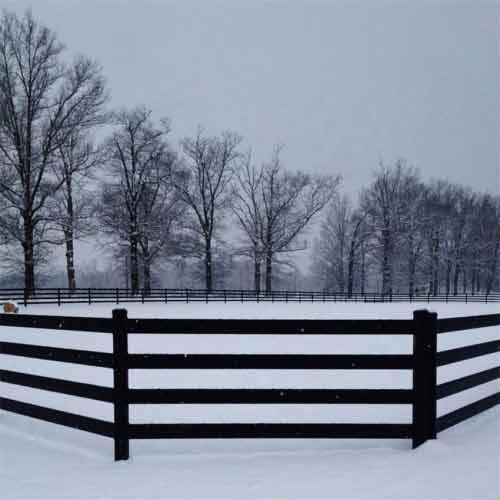
Split rail fencing is one of the oldest and most enduring styles of fencing
in North America, traditionally made from timber like cedar or chestnut. In
today’s environmentally conscious world, split rail fencing has emerged as a
premier eco-friendly option. Its simple construction, lack of chemical
treatments, and sustainable sourcing make it a favorite for homeowners and land
managers who wish to minimize their environmental footprint while maintaining a
rustic, natural aesthetic. This type of fencing harmonizes with the landscape
rather than dominating it.
One of the primary environmental benefits of split rail fencing is its
minimal use of materials. Unlike privacy fences that require vast amounts of
wood, vinyl, or metal to create a solid barrier, split rail fences consist of
staggered posts connected by rails. This open design allows for the free
movement of wildlife and reduces the amount of resources needed for
construction. Because there is no need for nails, screws, or concrete
foundations in many traditional installations, the environmental impact
associated with manufacturing and transporting these additional hardware
components is significantly reduced.
The material choice for modern split rail fences further enhances their
eco-friendly credentials. The most popular material for this style is Western
Red Cedar, which is naturally resistant to rot, decay, and insect infestation
without the need for chemical pressure treatment. Many fence manufacturers now
source their timber from sustainably managed forests certified by organizations
like the Forest Stewardship Council (FSC). By choosing certified wood,
landowners ensure that their fence is contributing to responsible forestry
practices that protect ecosystems and biodiversity for future generations.
Durability and biodegradability are also key factors in the sustainability
of split rail fencing. A well-built cedar split rail fence can last for decades,
even in harsh weather conditions, meaning it does not need to be replaced
frequently. When it eventually does reach the end of its life, the wood is
natural and biodegradable. Unlike vinyl or metal fences, which can sit in
landfills for centuries, a wooden split rail fence will decompose naturally,
returning nutrients to the soil without leaving behind toxic residues or
microplastics.
Finally, split rail fencing is an excellent choice for defining large rural
properties, pastures, or parks without obstructing views or severing wildlife
corridors. Its open design prevents habitat fragmentation, allowing animals to
move freely across the land. This is particularly important in conservation
areas where maintaining connectivity between habitats is crucial. By combining
traditional aesthetics with modern environmental ethics, split rail fencing
provides a boundary solution that respects nature and enhances the natural
beauty of the property.
Previous article:
Split Rail Fence Panel Installation: Traditional Methods for Rustic Property Boundaries
Next article:
DIY Fence Panel Installation: Step-by-Step Guide for Homeowner Panel Projects